Most homeowners appreciate the shade and character that mature trees bring to their property, but even a beautiful tree can turn into a safety concern if its health starts to decline. The tricky part is that trees rarely fail without sending a few early signals first. These signs can be easy to miss, especially when the tree still looks strong from a distance. Learning to spot small changes can help you address problems before they become serious hazards.
Below are the subtle indicators that a tree may be becoming a liability, along with the New Jersey specific conditions that can speed up the decline.
Changes at the Base: Cracks, Splits, and Soft Spots
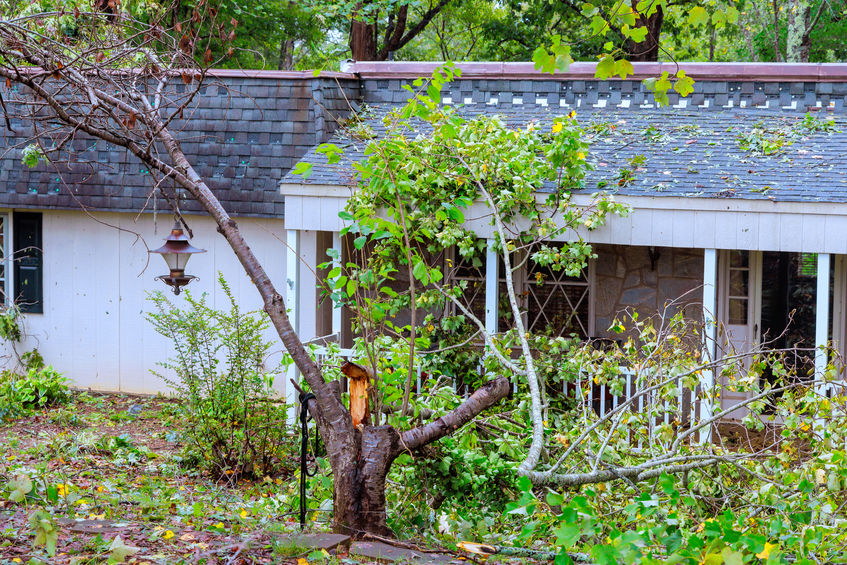
The lower trunk is one of the best places to look for hidden trouble. Cracks, seams, or cavities at the base are all signs that the tree may be losing structural strength. Sometimes these openings are caused by insects or past storm damage. Other times they appear as the tree ages.
In New Jersey, winter temperatures make these issues worse. Water enters small cracks, then expands when the weather freezes, widening the opening every time the temperature rises and falls again. Over the course of a few seasons, what was once a small surface wound can become a serious weak point.
Movement Around the Root Plate
A tree that is starting to loosen in the soil often gives itself away at ground level. Look for raised soil, cracked earth, or exposed roots on one side of the trunk. These changes usually happen after heavy rain or long stretches of saturated ground. North Jersey often sees these conditions during spring storms and after tropical systems push through.
Wet soil reduces stability and makes it harder for roots to hold their grip. Even a large, mature tree can begin to shift if the soil stays saturated for too long.
A Lean That Looks Different from Before
Not all leaning trees are dangerous, but a lean that is new or getting worse is something you should take seriously. A sudden tilt often points to root failure or soil movement. A gradual lean can be just as concerning because it means the tree is relying less on its roots and more on its weakened trunk for support.
In our region, strong winds from nor’easters and summer storms put extra stress on any tree that is not solidly anchored. A leaning tree might stand on a calm day, then fail completely when the next windstorm arrives.
Dieback and Thinning in the Canopy
Branches that stop producing leaves, tips that dry out, or a thinning canopy are all signs that the tree is struggling. This usually means something is happening internally, either with the roots, the trunk, or the flow of nutrients. Tree diseases, insects, and old age can all cause dieback, but so can environmental stress.
North Jersey winters are tough on weakened branches. Heavy snow and ice put significant weight on limbs that can barely support themselves, increasing the chance of breakage.
Fungal Growth That Signals Internal Rot
If you notice mushrooms or bracket fungi growing on the trunk or near the base, the tree may be rotting on the inside. These fungal growths feed on decaying wood. By the time they appear, internal breakdown has usually been happening for a while.
While not every fungus means a tree needs to be removed immediately, it is a clear sign that it should be evaluated by a professional.
How New Jersey Weather Makes Problems Progress Faster
Trees in Northern New Jersey deal with conditions that can speed up decline. A few examples include:
- Soil that stays saturated for long periods, weakening root systems
- Freeze and thaw cycles that widen cracks and split bark
- Dense, heavy snow that weighs down aging limbs
- Strong winds that push against compromised trunks and roots
Because these factors stack up throughout the year, even small warning signs deserve attention.
When a Professional Assessment Is the Right Move
If something about a tree does not look right, trust that instinct. Many early warning signs are easy to overlook unless you work with trees every day. A licensed New Jersey tree expert can examine the structure of the tree, look for internal decay, and determine whether pruning, cabling, or removal is the safest option.
With state requirements now in place for licensing and insurance, hiring a qualified team also ensures you stay compliant with local regulations.
Protect Your Property Before a Storm Forces the Issue
A tree that is becoming a liability does not always need to come down right away. Sometimes targeted trimming or stabilization can extend its life safely. The key is catching problems before a storm or winter event makes them worse.
Big Foot Tree Service provides professional inspections, safe removals, and expert trimming across Northern New Jersey. If you are unsure about the safety of a tree or want peace of mind before the next storm season, our team is ready to help.
Call 973-885-8000 for a FREE estimate and a licensed inspection.


Recent Comments